Stress affects more than just your mind it can take a real toll on your body, including your teeth and gums. Many people don’t realize that emotional tension can lead to habits and changes in the body that harm oral health. Understanding how stress impacts your mouth can help you take steps to protect your smile. Stress affects more than just your mind it can take a real toll on your body, including your teeth and gums. Many people don’t realize that emotional tension can lead to habits and changes in the body that harm oral health. Understanding how stress impacts your mouth can help you take steps to protect your smile.
Teeth Grinding and Clenching (Bruxism)
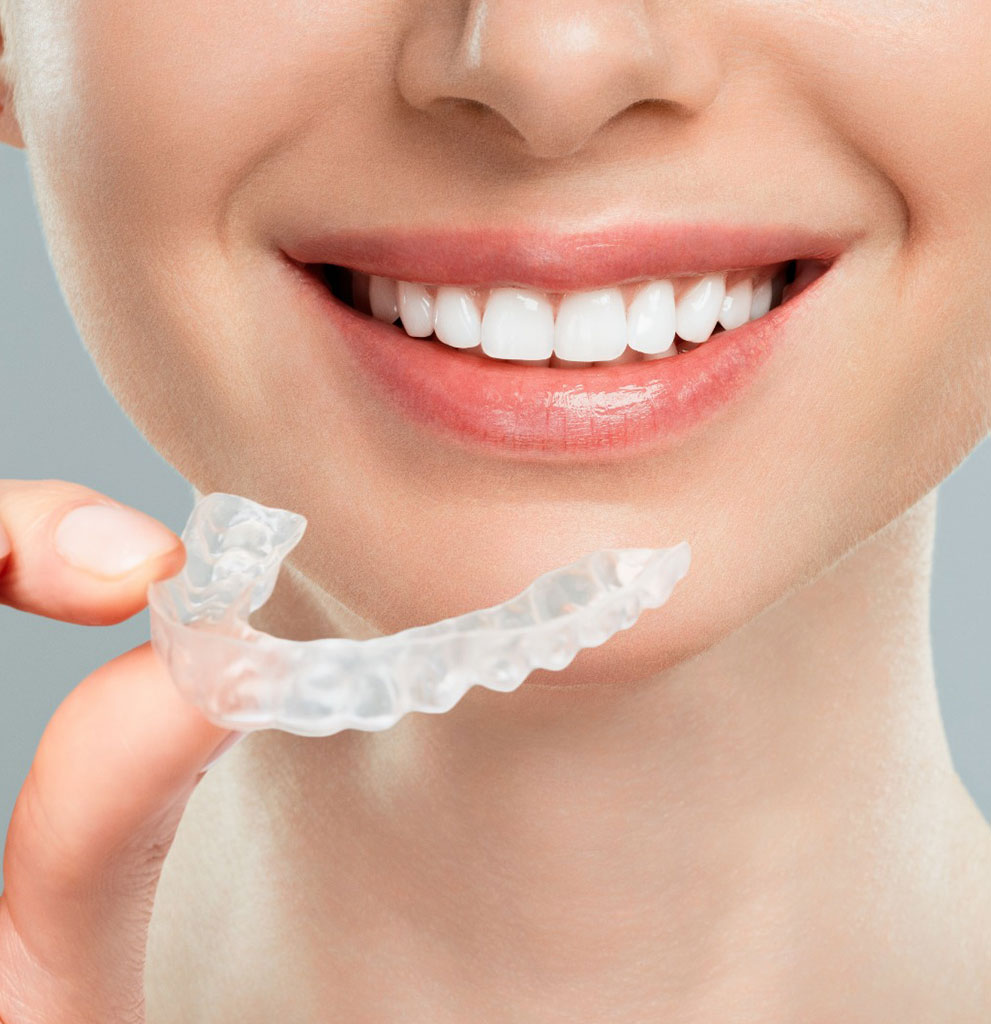
One of the most common signs of stress is teeth grinding or jaw clenching, often done unconsciously, especially during sleep. Over time, this habit can wear down tooth enamel, cause tooth sensitivity, and even lead to jaw pain or headaches. If you notice soreness in your jaw or flattened teeth edges, talk to your dentist they may recommend a night guard to protect your teeth while you sleep.
Gum Problems
Stress can weaken your immune system, making it harder for your body to fight off infections, including those in your gums. People under chronic stress are more likely to experience gum inflammation, bleeding, or even gum disease. Managing stress through exercise, meditation, or adequate rest can help your gums stay strong and healthy.
Dry Mouth
When you’re stressed, your body produces less saliva, leading to dry mouth. Saliva plays a key role in washing away food particles and neutralizing harmful acids. Without enough saliva, bacteria can build up more easily, increasing the risk of cavities and bad breath. Drinking plenty of water and chewing sugar free gum can help stimulate saliva flow.
Poor Oral Care Habits
During stressful times, people often neglect their oral hygiene routines skipping brushing, flossing, or dental visits. Irregular care can quickly lead to plaque buildup, tooth decay, and gum problems. Even when life gets hectic, try to maintain your regular dental routine to avoid long term issues.
Unhealthy Coping Habits
Stress may lead to habits like smoking, nail biting, or eating sugary snacks, all of which can harm your teeth and gums. Being aware of these habits is the first step to breaking them and choosing healthier ways to manage stress.
Final Thoughts
Your oral health is closely connected to your emotional well being. By managing stress, maintaining healthy routines, and seeking dental advice when needed, you can protect your smile and your overall health from the hidden effects of stress.
Author: Dr. Hari