My Menu
Back

Grinding Your Teeth? What It Means and How to Stop It

Do you sometimes wake up with jaw pain, headaches, or notice your teeth looking shorter or chipped? You might be grinding your teeth without realizing it. This condition, called bruxism, affects both adults and children, and when left untreated, it can damage your teeth, gums, and jaw.

Why Do We Grind Our Teeth?

 Grinding Your Teeth? What It Means and How to Stop It

Several factors can trigger bruxism, including:

  • Stress and Anxiety – Emotional tension often shows up physically as jaw clenching.
  • Sleep Disorders – People with snoring or sleep apnea grind more often.
  • Bite Problems – Misaligned teeth or jaw can make the muscles overwork.
  • Lifestyle Habits – Too much caffeine, alcohol, or smoking may worsen grinding.

Signs to Watch Out For

Because grinding often happens at night, many people don’t notice it until symptoms appear. Common warning signs include:

  • Worn, cracked, or flattened teeth
  • Sensitive teeth
  • Tight or painful jaws
  • Headaches, especially in the morning
  • Clicking or popping sounds near the ears (possible TMD)

How Dentists Can Help

Your dentist can identify signs of grinding during a check up and offer effective solutions:

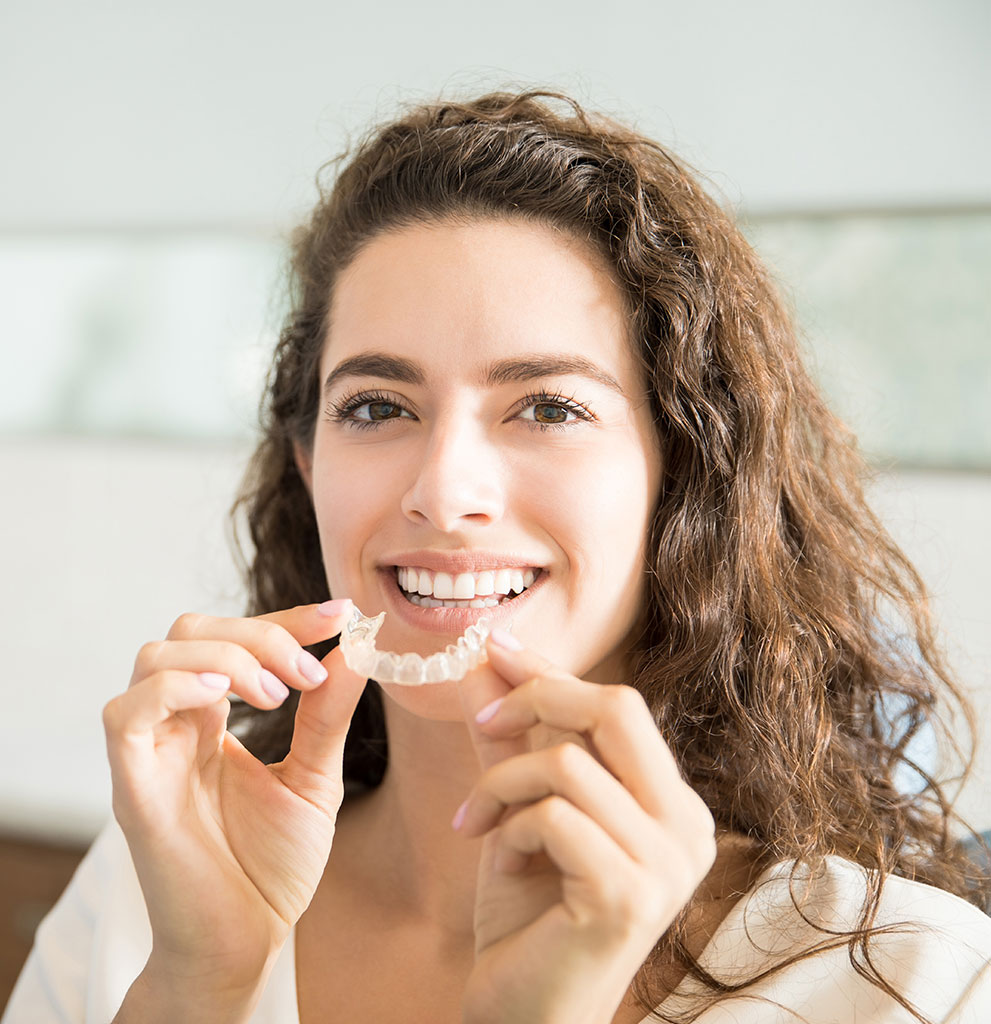
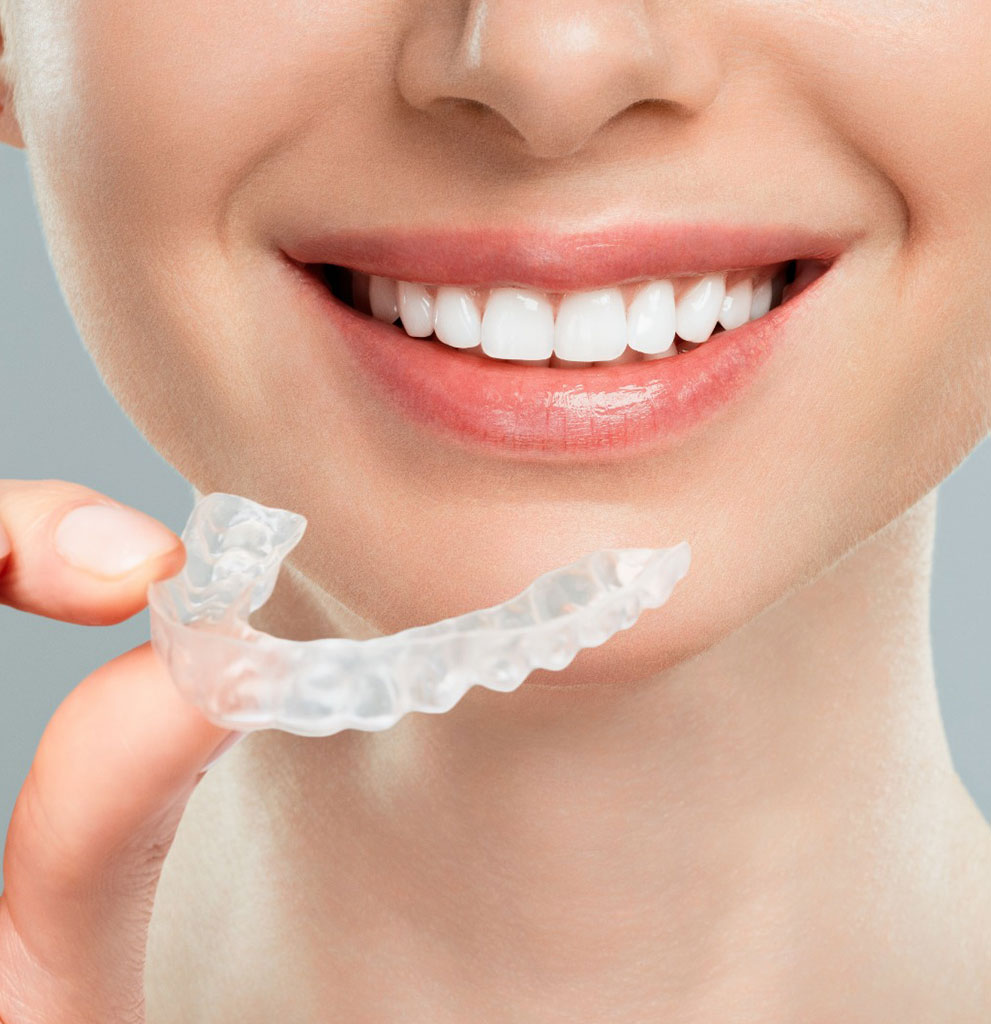
  • Custom Night Guards – Special appliances worn during sleep to protect teeth.
  • Stress Relief Tips – Relaxation exercises and mindfulness to reduce clenching.
  • Bite Correction – Orthodontics or minor adjustments if misalignment is the cause.
  • Referral if Needed – If linked to sleep apnea or other conditions, we may work with sleep specialists or ENT doctors.

Protecting Your Smile

Occasional grinding may not cause harm, but frequent bruxism can lead to:

  • Tooth fractures and enamel loss
  • Gum recession
  • Persistent jaw and facial pain
  • Long term changes in bite and facial appearance

The good news? With early care, bruxism is very manageable. Wearing a night guard, addressing stress, and making simple lifestyle changes can protect your teeth and restore comfort.

Key Takeaway: Don’t ignore the signs of grinding. If you notice jaw pain, tooth wear, or morning headaches, talk to your dentist. Simple, effective solutions can protect your smile and improve your overall well being.