Have you noticed your child sleeping with their mouth open, snoring at night or breathing through their mouth during the day? It is a question we often hear from dental patients in Sharjah, and many are not sure whether these habits matter. Occasional mouth breathing during a cold is normal. But when it becomes a habit, it is worth getting it checked, because nasal breathing plays an important role in a child's health and development.
Why nasal breathing matters
The nose filters, warms and moistens the air your child breathes. When children breathe mainly through the nose, the tongue usually rests against the roof of the mouth, which supports the natural growth of the upper jaw. Long-term mouth breathing changes this resting position, and over time it may be associated with changes in how the jaws and teeth develop.Common signs of mouth breathing in children
What causes mouth breathing?
Mouth breathing usually has an underlying reason. The most common causes include:
Child snoring: when to see a doctor
Snoring and mouth breathing are related but different concerns. Occasional snoring, especially with a cold, is common. However, regular snoring, pauses in breathing, gasping or very restless sleep may be signs of a sleep-related breathing problem. These need a medical assessment by your paediatrician or an ear, nose and throat (ENT) specialist. A dentist or orthodontist cannot diagnose sleep apnoea, and dental treatment should never replace medical care.
How mouth breathing can affect teeth and jaws
Over time, persistent mouth breathing may contribute to:
Not every child who breathes through their mouth will develop these problems, which is why an individual assessment is important.
How orthodontics may help
For children who are still growing, a dentist or orthodontist can check how the jaws and teeth are developing. Where a narrow upper jaw is found, treatment such as a palatal expander can gently widen it while the bones are still developing. This can create more space for the teeth and, in some children, may make nasal breathing easier.
This approach, often called airway-focused orthodontics, works best alongside medical care. Orthodontic treatment is not a guaranteed solution for mouth breathing or snoring. If the cause is enlarged adenoids or allergies, these must be treated by the right specialist.
What you can do at home
When should your child see a dentist?
Book a check-up if your child:
Many orthodontists recommend a first orthodontic check by around age 7, when early signs of jaw and bite problems are easier to spot.
Children's orthodontics in Sharjah
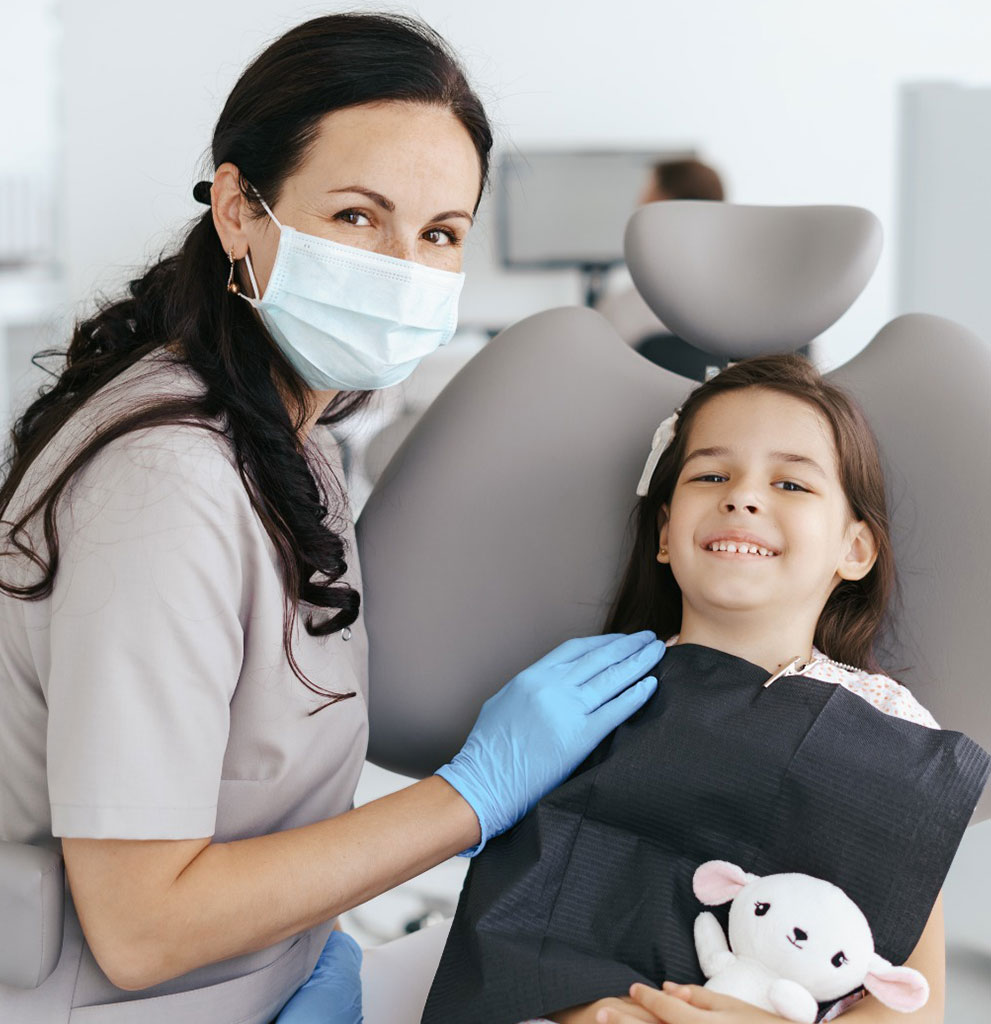
At Dr. Shiyas Dental Center in Al Abar, Halwan, our team helps dental patients across Sharjah, children and adults alike, understand how their teeth and jaws are developing. We assess your child's bite, jaws and breathing-related signs, and work with your child's doctor where needed. Learn more about our orthodontic treatment for children or book a check-up today.
Author : Dr. Ejaz Anwar