Thinking about getting veneers? You're not alone. Veneers have become a popular choice for people looking to improve their smile, whether it’s to correct chipped teeth, close small gaps, or brighten discoloration. While the cosmetic benefits are clear, it’s important to understand the full picture before making the commitment.
 First and foremost, your oral health needs to be in good shape before veneers can be considered. Issues like cavities, gum disease, or significant enamel erosion should be treated ahead of time, as veneers are not a solution for underlying dental problems they're an enhancement, not a fix. Once your oral health is in check, it’s crucial to define your goals. Are you hoping for a whiter smile, a more uniform look, or perhaps correcting some mild alignment issues? Being clear about your expectations helps your dentist recommend the most suitable treatment plan and ensures that veneers will truly meet your needs.
Another essential factor is the condition of your teeth. Veneers typically require removing a thin layer of enamel to make room for the porcelain or composite layer that gets bonded to the tooth surface. This process is permanent, which is why it’s considered an irreversible procedure. If your teeth are already sensitive or you have limited enamel, your dentist may suggest alternative options.
Cost is also a significant consideration. Veneers, especially those made of porcelain, can be expensive. While they’re known for their durability and natural appearance, they come with a higher price tag. Composite veneers are more affordable but tend to wear out sooner and may stain more easily. And since veneers are generally considered a cosmetic procedure, dental insurance usually doesn’t cover them, so it's important to factor that into your decision making process.
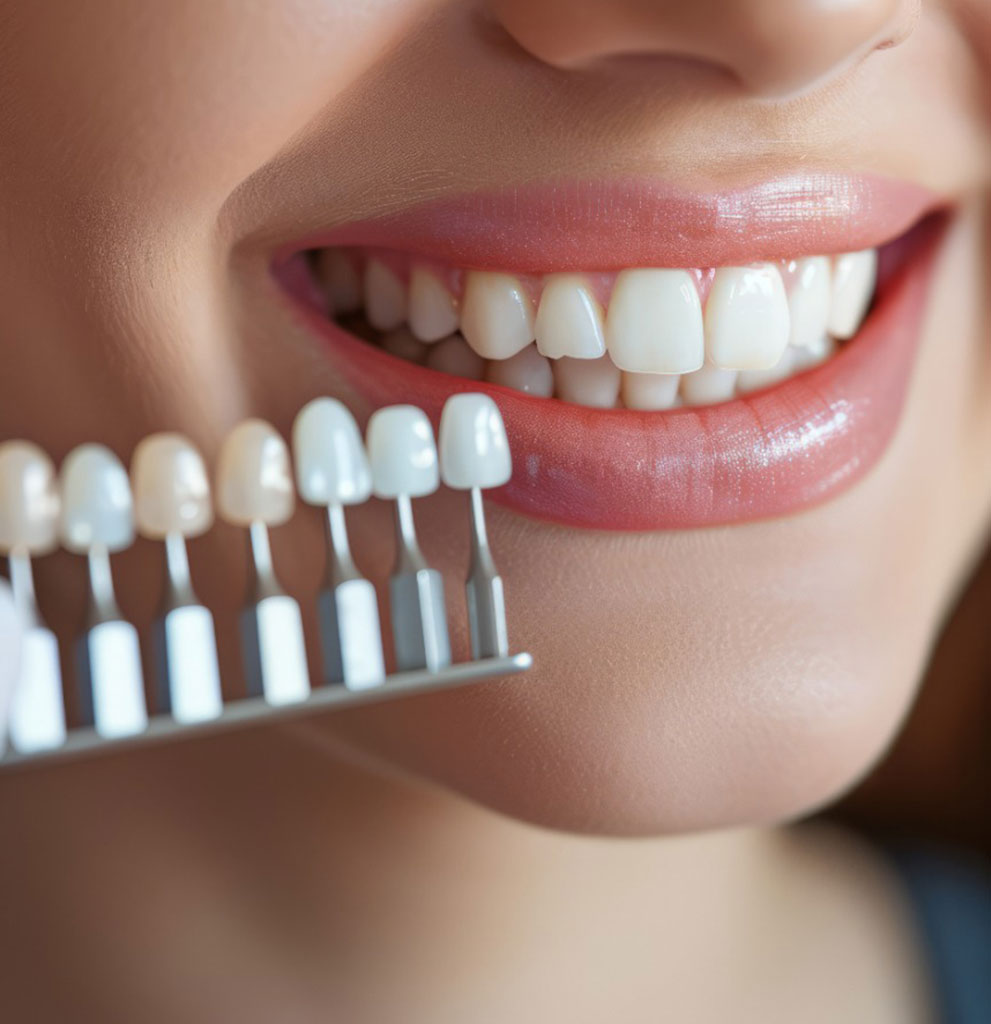
There are different types of veneers available, each with its pros and cons. Porcelain veneers are favored for their durability and realistic look, whereas composite veneers are quicker to apply and more budget friendly. There are also no prep veneers, like Lumineers, which require little to no enamel removal but these aren’t suitable for everyone and may not last as long.