Getting your braces removed is an exciting moment. After months of treatment, seeing your teeth straight and your new smile for the first time can feel like a big achievement.
But there is one more important part of the journey that should not be overlooked: wearing your retainer.
A retainer helps keep your teeth in their new positions after braces or aligners. Many patients ask the same questions after their treatment: “Do I really need to wear my retainer?” and “How long do I need to wear it?”
The simple answer is that your teeth can move if they are not properly maintained, which is why wearing your retainer as advised by your orthodontist is an important part of protecting your results.
Why Do Teeth Shift After Braces?
Braces and aligners gradually move your teeth into their new positions. During this process, the bone and tissues around your teeth also need time to adjust.
Once your braces are removed, your teeth are not necessarily “fixed” permanently in their new positions. They can naturally try to move back towards where they were before treatment. This is especially common during the early stages after braces are removed.
But tooth movement is not limited to the first few months.
As we get older, our teeth can naturally change position. Everyday pressure from the tongue, lips and cheeks, teeth grinding and other habits can also contribute to gradual movement over time.
Some people may notice very little change, while others may see crowding or small gaps returning. Since everyone's teeth respond differently, it is difficult to predict exactly how much movement may occur.
This is where a retainer becomes important.
What Types of Retainers Are Available?
Retainers generally fall into two main categories:
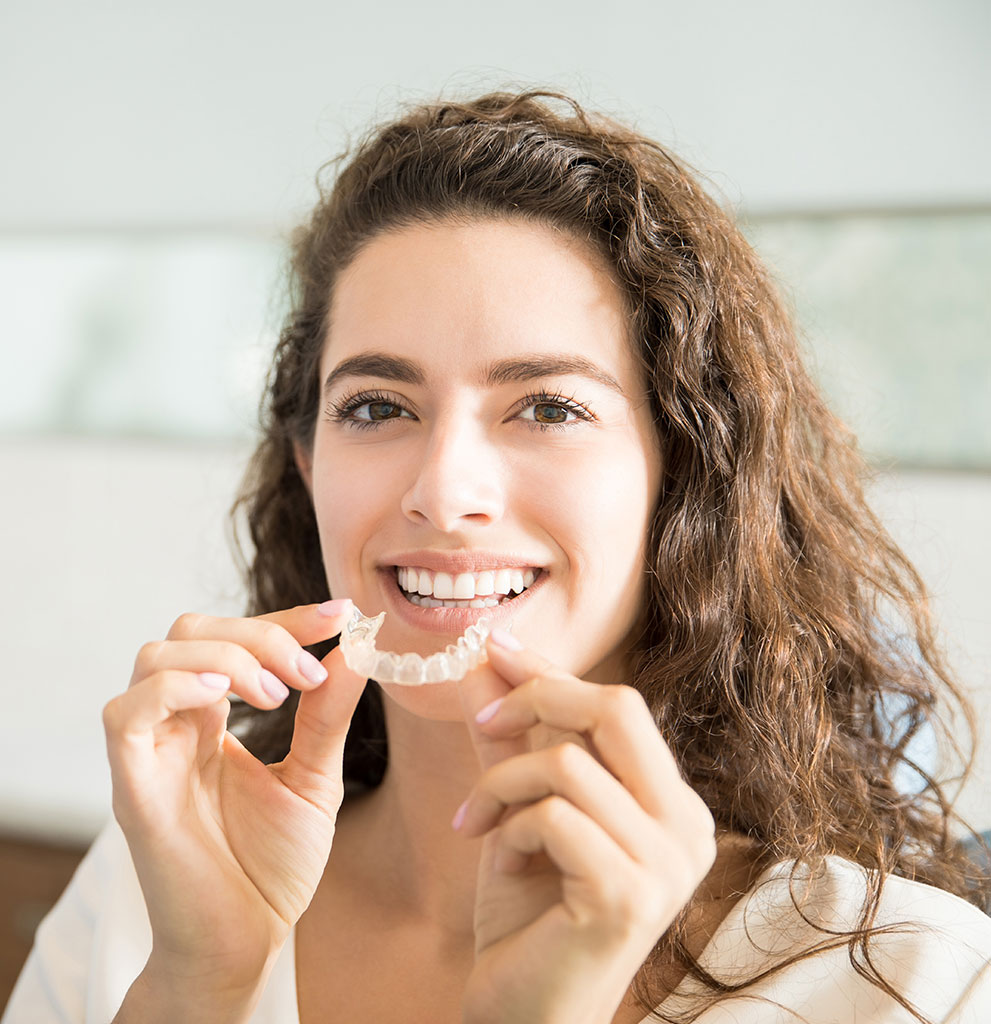
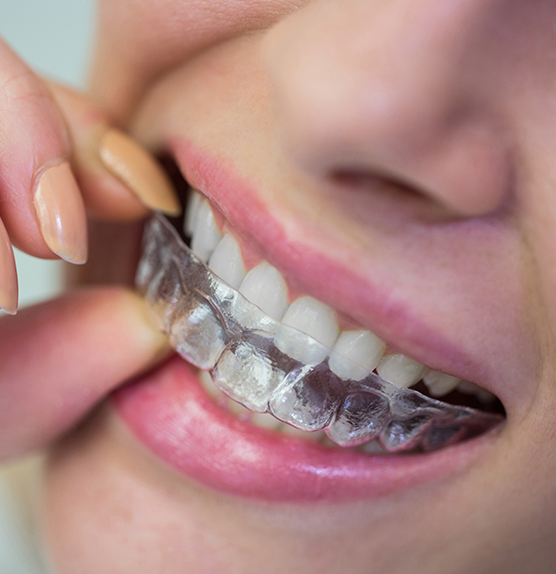
Removable retainers are usually clear plastic trays or retainers that include a thin wire. They can be removed when eating and while cleaning your teeth.
Fixed retainers consist of a thin wire attached to the back of the front teeth. Since they remain in place, they work continuously without requiring you to remember to put them in.
In some cases, your orthodontist may recommend using both types. For example, you may have a fixed retainer on your lower teeth and a removable retainer for your upper teeth.
Customised Retainers fit your teeth. They may be made using dental impressions or digital scans, allowing them to fit your mouth accurately.
Your orthodontist will also explain how to use, clean and care for your retainer properly.
How Long Do You Need to Wear a Retainer?
There is no fixed retainer schedule that works for everyone.
The amount of time you need to wear your retainer depends on several factors, including how your teeth were positioned before treatment, how much they were moved, your age and how stable your results are.
Your orthodontist will recommend a wearing schedule based on your individual treatment.
In many cases, patients are advised to wear a removable retainer more frequently at the beginning and gradually reduce the frequency over time. However, this can vary from person to person.
The most important thing is to follow the instructions given to you rather than assuming that your retainer is no longer necessary.
Even after your teeth have settled, they can continue to move naturally over the years. For this reason, many orthodontists recommend some form of long-term retention.
What Happens If You Stop Wearing Your Retainer?
It can be tempting to stop wearing your retainer once your teeth look straight and everything feels normal.
However, if you stop wearing it too early or frequently miss wearing it, your teeth may gradually begin to shift.
You might notice:
If the movement is minor and your retainer still fits comfortably, wearing it again may sometimes help.
However, never force a retainer into place if it no longer fits properly or feels painful. It is better to contact your orthodontist and have your teeth and retainer checked.
If your teeth have moved significantly, you may need a new retainer or, in some cases, additional orthodontic treatment.
How Should You Take Care of Your Retainer?
Taking good care of your retainer can help it last longer and also helps maintain good oral hygiene.
Here are a few simple tips:
A little care can make a big difference when it comes to keeping your retainer clean and in good condition.
What If Your Retainer Is Lost or Broken?
Retainers can sometimes get lost, cracked or damaged. A fixed retainer may also become loose or detached.
If this happens, don't wait too long before contacting your orthodontist.
The longer you stay without a properly fitting retainer, the more opportunity your teeth have to move. Replacing or repairing the retainer promptly can help prevent unnecessary changes to your smile.
Retainer Care and Replacement in Sharjah
Your braces may be off, but maintaining your results is an important part of your orthodontic journey.
At Dr. Shiyas Dental Center in Al Abar, Halwan, Sharjah, our team provides customised retainers and follow-up care for patients who have completed orthodontic treatment.
If your retainer feels unusually tight, no longer fits properly, has been damaged or if you have noticed that your teeth are starting to move, we can check the fit of your retainer and advise you on the next step.
Book a retainer check with our team and keep your post-braces smile on track.
Author : Dr. Shiyas Koya